Key Takeaways
GLP-1 medications like Ozempic change your appetite and slow digestion, so the goal shifts from eating less to eating well with the smaller appetite you have.
Protein at every meal, roughly 20 to 30 grams, helps protect your muscle and keeps you feeling steady, and your exact needs depend on your body and health history.
Some foods, like very greasy or fried meals, may feel harder to tolerate for a while. This is about comfort and digestion, not “good” versus “bad” foods.
Nausea and low appetite are common, and there are gentle, practical ways to keep nourishing your body without forcing large meals.
A registered dietitian works alongside your prescribing medical team to personalize all of this to your life, and this care is often covered by insurance.
When you start a GLP-1 medication like Ozempic, Wegovy, Mounjaro, or Zepbound, food feels different. You get full faster. You think about eating less often. Meals that used to sound great might not appeal at all. That change can feel freeing, and it can leave you wondering what you should be eating now.
Here is the shift that matters most. On a GLP-1 medication, you are almost certainly eating less than you used to. That makes what you eat far more important than how much. Every bite has to do more work, because there are fewer of them. This guide walks through a dietitian’s framework for eating well, not just eating less, so you can support your health, protect your muscle, and feel good day to day. To see how Berry Street supports people on these medications, visit our GLP-1 nutrition support page.
In 30 seconds: On a GLP-1 medication like Ozempic, focus on getting enough nourishment from a smaller appetite. Lead with protein at each meal, add fiber, vegetables, fruit, and enough fluid, and go easy on very greasy foods that may be harder to tolerate. Because needs vary from person to person, working with a registered dietitian alongside your prescribing doctor is the most reliable way to make it fit your life.
On this page
How GLP-1 medications change the way you eat
The dietitian’s framework: eat enough, eat balanced, eat comfortably
Foods that help you get the most from your GLP-1 medication
Foods and habits that may be harder to tolerate
Eating when you’re not hungry: managing nausea and low appetite
Why personalized, dietitian-led support beats a generic “Ozempic diet”
Putting it together: a flexible, sustainable approach
Frequently Asked Questions
How GLP-1 medications change the way you eat
GLP-1 medications work with your body’s own signals. GLP-1 is a hormone you make naturally after eating, and these medications extend and amplify its effects. That is why they are prescribed and monitored by a medical team to support metabolic health, including blood sugar management. Weight change can be one outcome of that support, but it is not the whole picture.
What GLP-1s do: appetite, fullness, and slower digestion
Three effects tend to stand out:
Less appetite. You feel hungry less often, and the constant “food noise” often quiets down.
Faster fullness. You feel satisfied after smaller portions, sometimes much smaller than before.
Slower digestion. Your stomach empties more slowly, so food sits with you longer.
Together, these effects mean you naturally take in less food. That is the intended effect, and it creates a challenge worth planning for. When you eat less overall, it gets harder to cover your protein, fiber, vitamins, and minerals unless you are intentional about what goes on your plate.
Why “eating less” isn’t the goal: nourishing your body is
It is tempting to treat a smaller appetite as a green light to eat as little as possible. That approach tends to backfire. Eating too little for too long can leave you tired, make side effects feel worse, and pull more from your muscle than you want.
At Berry Street, we are not anti-weight loss. We are anti-diet. We do not measure success by a number on the scale or by how few calories you can survive on. We focus on building steady, nourishing habits that support your health for the long run. On a GLP-1 medication, that reframe is practical, not just philosophical. Your appetite is doing some of the work now, so your job is to make the food you eat count.
The dietitian’s framework: eat enough, eat balanced, eat comfortably
You do not need a rigid meal plan or a calorie-counting app to eat well on a GLP-1. A simple three-part framework covers most of what matters:
Eat enough. Nourish your body rather than shrink your intake as far as it will go. Regular, adequate meals protect your energy and your muscle.
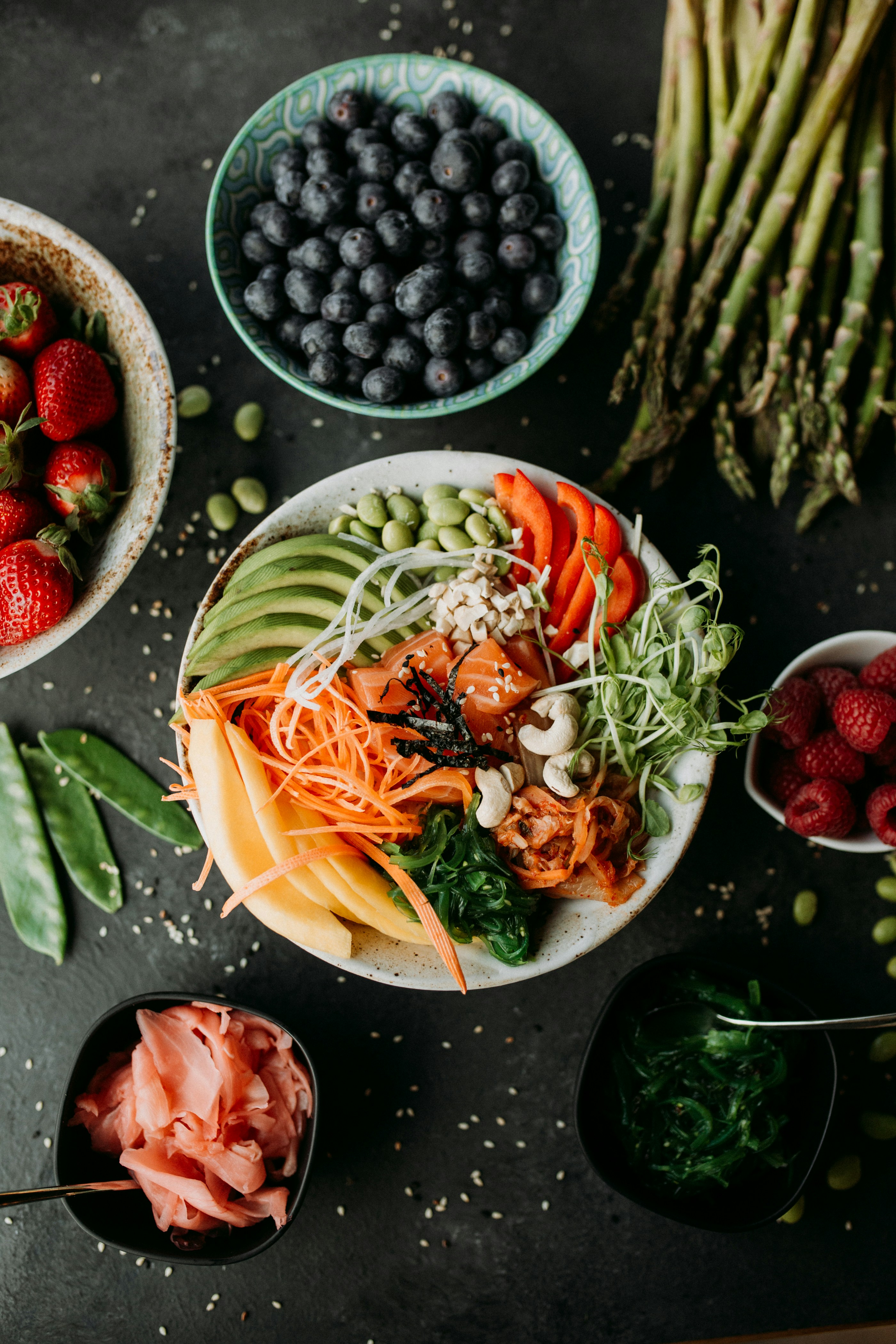
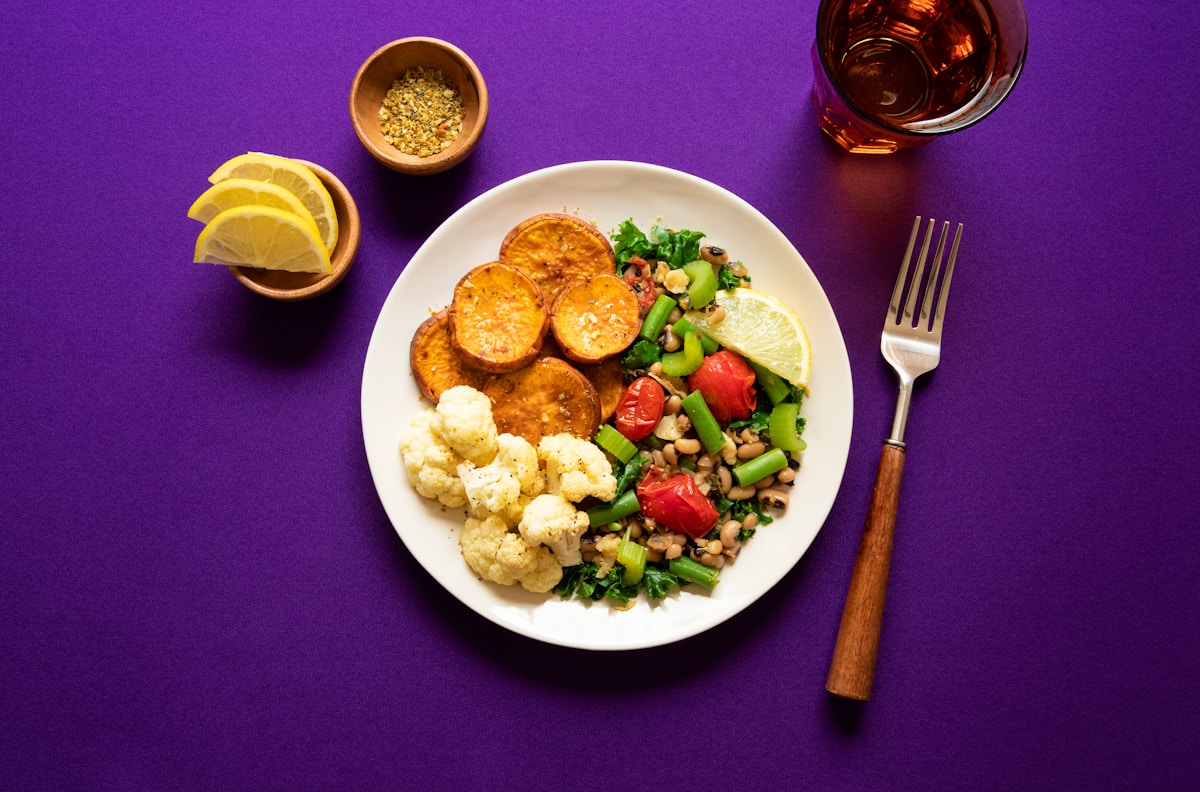
Eat balanced. Build plates around protein, fiber-rich carbohydrates, vegetables and fruit, and some healthy fat, so each meal delivers a range of nutrients.
Eat comfortably. Work with your changed digestion, not against it. Smaller, more frequent meals and gentler foods often feel better than three large plates.

This framework flexes to fit you. What “enough” looks like for one person differs from the next, depending on your body, health history, activity, and how your medication affects you. That is why the details are best personalized with a dietitian rather than copied from a generic list.
Why nutrient adequacy matters more when your appetite drops
Here is the math in plain terms. If you used to eat three full meals and now you eat two small ones, you have fewer chances to take in the nutrients your body needs. Foods that were “nice to have” before become the foundation now.
A joint advisory published in Obesity in 2025 flagged several nutrients that can fall short when intake drops on GLP-1 therapy, including vitamin D, vitamin B12, iron, calcium, magnesium, and zinc. The risk is higher if your intake was already low before starting. This does not mean you need a cabinet full of pills. It means the quality of each meal matters more than it used to, and it is worth asking your care team whether a general supplement makes sense for you. Supplements support a solid eating pattern. They do not replace one.

Foods that help you get the most from your GLP-1 medication
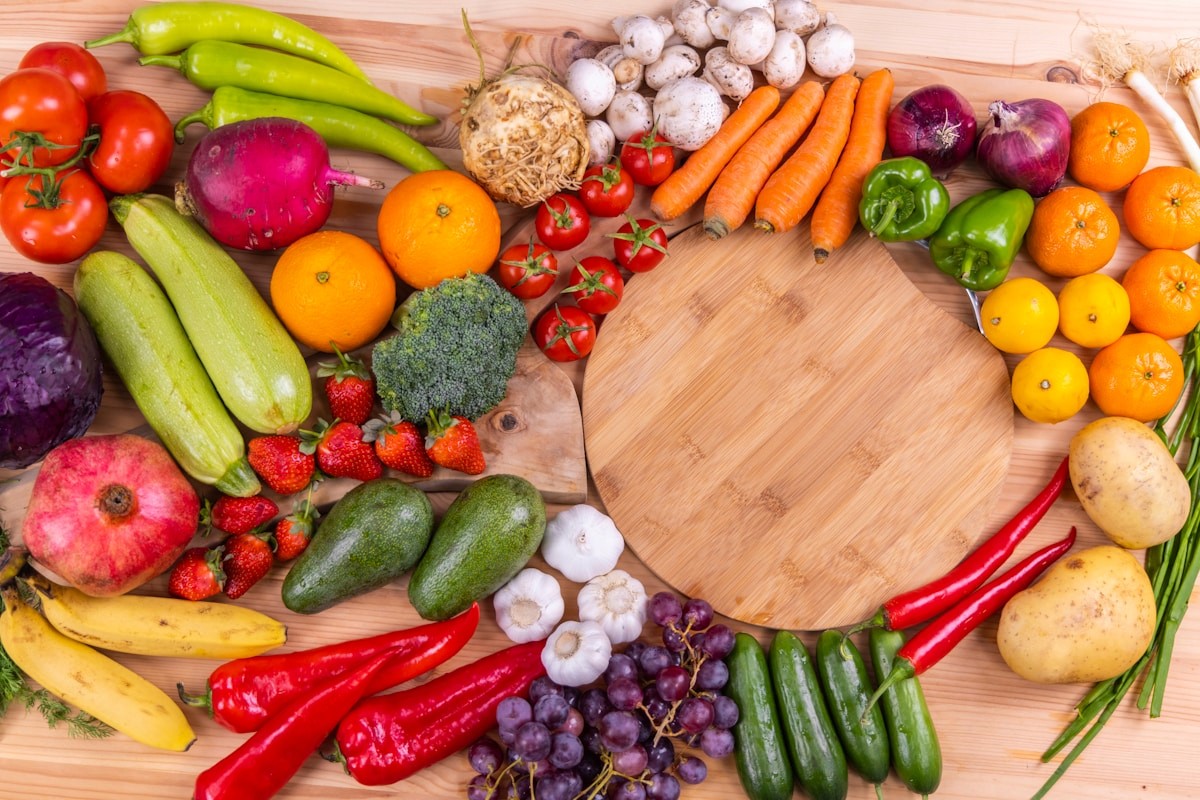
There is no single “Ozempic diet,” and no food is off-limits. Still, some foods work especially well when your appetite is smaller, because they pack more nutrition into each bite and sit comfortably. Think of the categories below as building blocks to mix and match.
Protein first: protecting muscle during weight change
When your body loses weight, a meaningful portion of that change can come from lean muscle, not just fat. Protein is your main tool for protecting muscle, along with staying active, and leading with it at each meal also helps you feel satisfied on smaller portions.
A narrative review in Advances in Therapy points to roughly 20 to 30 grams of protein per main meal as a practical target. Current clinical guidance often lands around 1.2 to 1.5 grams of protein per kilogram of body weight per day during active weight change, though the ideal GLP-1-specific target is not firmly established, and individual needs vary. A dietitian can translate these ranges into what fits your body and appetite.
Practical, protein-forward options include:
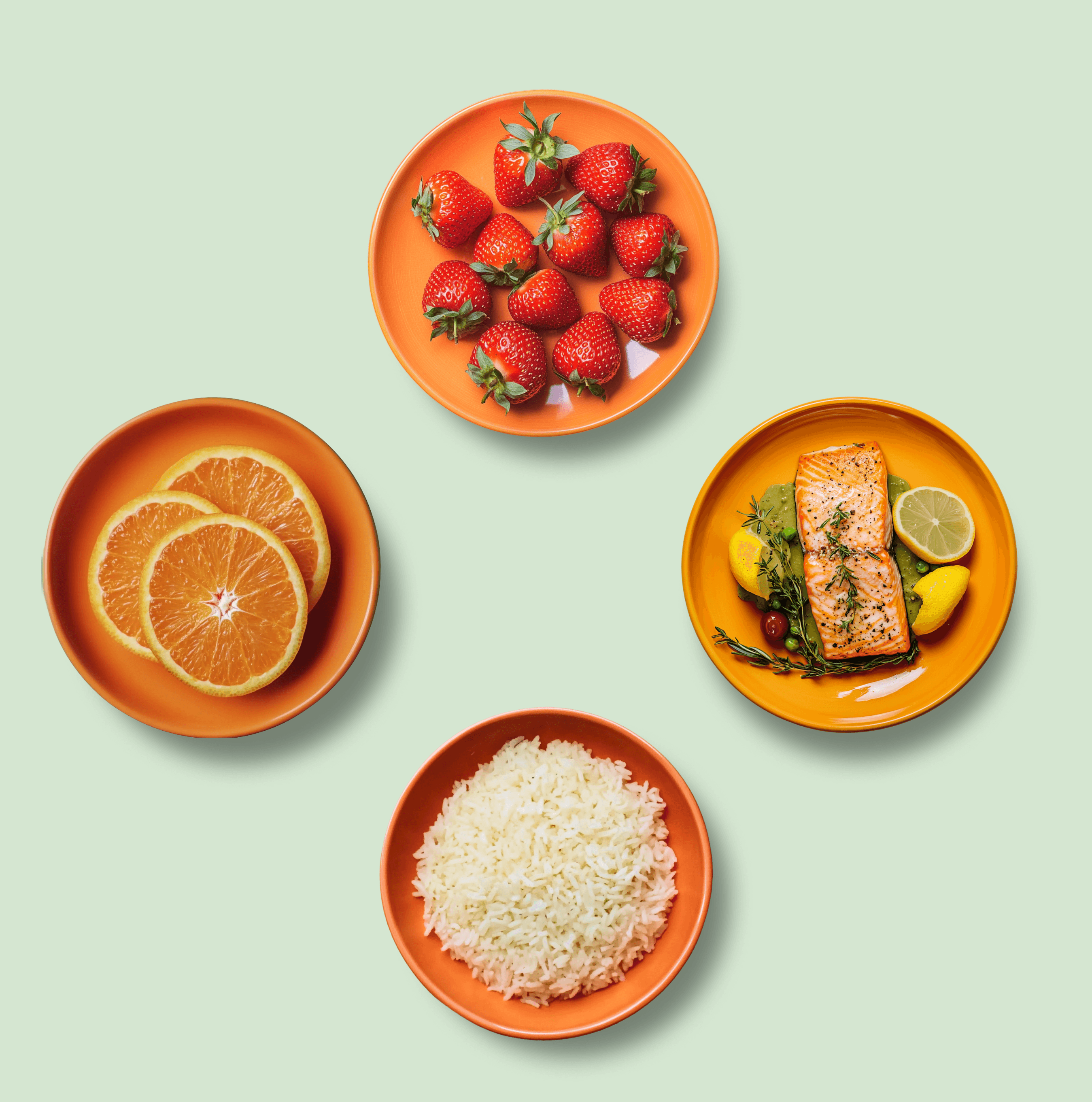
Greek yogurt, cottage cheese, or a glass of milk or fortified soy milk
Eggs, poultry, fish, or lean meats
Tofu, tempeh, edamame, beans, and lentils
A protein shake or smoothie when solid food feels like too much

Fiber and whole carbohydrates: digestion, fullness, and steady energy
Fiber earns its place for two reasons. It supports digestive regularity, which helps because GLP-1 medications slow things down and can lead to constipation. It also adds to the overall quality of your diet and helps meals feel satisfying.
Good sources of fiber and whole carbohydrates include:
Oats, quinoa, brown rice, and whole grain bread
Beans, lentils, and chickpeas, which bring protein too
Berries, apples, pears, and other whole fruit
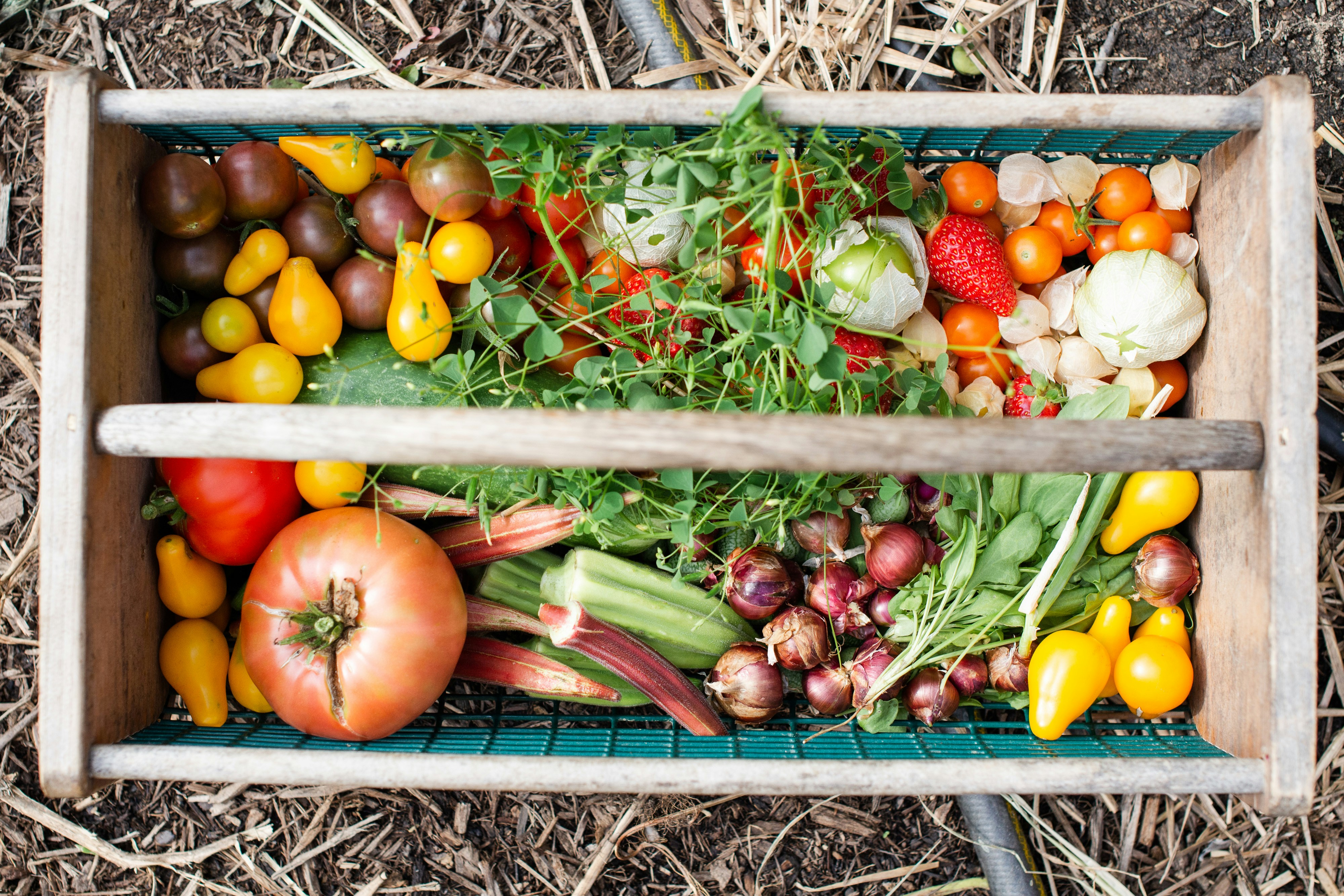
Vegetables of all kinds
If fiber has been low in your diet, increase it gradually and pair it with plenty of fluid, so your digestion has time to adjust. For some people, adding fiber too fast can bring on bloating or discomfort, so a slower ramp usually feels better.
Non-starchy vegetables and fruit: volume and micronutrients
Non-starchy vegetables and fruit are where a lot of your vitamins, minerals, and antioxidants come from. They add color, texture, and volume without crowding out protein. When your appetite is small, even a modest serving contributes real nutrition.
A few easy ways to include them:
Add a handful of spinach or frozen vegetables to eggs, soups, or a stir-fry.
Keep pre-cut or frozen produce on hand for the days cooking feels like too much.
Pair fruit with a protein source, like an apple with cheese, to round out a snack.
Healthy fats and hydration: in the right amounts
Some fat is important. It helps you absorb certain vitamins and adds flavor and staying power to meals. Sources like olive oil, avocado, nuts, and seeds fit well. The nuance here is amount. Because these medications slow digestion, very high-fat meals can sit heavily and worsen nausea for some people, so it helps to keep fat portions moderate rather than large.
Hydration deserves attention too. When you eat less, you also tend to drink less, since a good amount of daily fluid normally comes from food. Aim for steady fluids across the day, roughly 2 to 3 liters for many adults, adjusting for your size, activity, and climate. Sipping between meals rather than gulping large amounts with food can also keep you from feeling overly full.
Foods and habits that may be harder to tolerate
No food is banned on a GLP-1 medication. This section is about comfort and digestion, not morality. Because these medications slow how quickly your stomach empties, certain foods and habits are more likely to cause nausea, reflux, or that “overly full” feeling. Knowing which ones lets you plan around them and find portions and timing that work for you.
High-fat, fried, and very greasy foods
Rich, fried, and very greasy foods take longer to digest, which can amplify the slowed stomach emptying these medications already cause. StatPearls, a peer-reviewed clinical reference, notes that high-fat meals can worsen nausea. You do not have to avoid these foods entirely. Many people find that smaller portions, or saving them for days when their stomach feels settled, make them much easier to enjoy.
Added sugar and ultra-processed snacks: through a balance lens, not a “banned” list
Foods high in added sugar or built mostly from refined ingredients are not “bad,” and they can fit into a balanced pattern. The practical issue is that your eating opportunities are limited. If a snack is mostly sugar with little protein or fiber, it fills part of your small appetite without giving your body much to work with.
A useful habit is to pair rather than replace. Enjoy the food you like, and add something with protein or fiber alongside it. That keeps meals satisfying without any food landing on an off-limits list.
Alcohol and carbonation
Alcohol and fizzy drinks tend to be common culprits for discomfort. Carbonation can add to bloating and that overly full feeling, and the same StatPearls reference suggests going easy on carbonated beverages. Alcohol can hit differently now, since you are often eating less, and it can also stir up nausea for some people. If you drink, doing so in moderation and with food is a sensible approach, and it is worth mentioning to your prescribing team so they can weigh in on your situation.
Eating when you’re not hungry: managing nausea and low appetite
One of the trickiest parts of a GLP-1 medication is eating when hunger has all but disappeared, or when mild nausea makes food unappealing. The instinct to simply not eat is understandable. The trouble is that skipping meals for long stretches can leave you more tired, make nausea worse, and pull from your muscle over time. A gentler, more structured approach usually works better.
Small, protein-forward meals and gentle foods
When appetite is low, small and frequent tends to beat large and occasional. StatPearls supports the common clinical advice of eating 4 to 6 small meals rather than a few large ones to ease GI side effects. A few strategies that help:
Eat on a light schedule, not on hunger cues. A small something every few hours keeps you nourished even when you do not feel like eating.
Lead with easy protein. Yogurt, eggs, a smoothie, or a protein shake are gentle and get the most important nutrient in first.
Choose bland, cool, or room-temperature foods. Strong smells from hot food can trigger nausea, so crackers, toast, or a cool shake may go down easier.
Try ginger or peppermint. Many people find these settling, and they are low-risk to experiment with.
How to spot when low intake becomes a problem
A smaller appetite is expected. Eating so little that your body is running short is not, and it is worth catching early. There is no single calorie number that defines “too low” for everyone, so watch for signals rather than counting. Reach out to your care team if you notice:
Ongoing dizziness, fatigue, or feeling faint
Losing weight very rapidly, faster than your team expected
Going most of the day unable to keep food or fluids down
Noticeable loss of strength or muscle
Signs of dehydration, like dark urine or a dry mouth
None of these mean you have done something wrong. They are cues to loop in your prescribing doctor and your dietitian, who can adjust your plan or your medication as needed.
Why personalized, dietitian-led support beats a generic “Ozempic diet”
Search “Ozempic diet” and you will find countless lists telling everyone to eat the same way. The problem is that you are not everyone. Your body, your health conditions, your medication and dose, your schedule, and your relationship with food all shape what works for you. A generic plan cannot account for any of that, which is why one-size-fits-all advice tends to fall apart in real life.
How a registered dietitian tailors this to your body, history, and life
A registered dietitian nutritionist (RDN) is a licensed medical professional with years of clinical training, qualified to help manage medical conditions through nutrition. Working with one turns the framework in this article into specifics that fit you: how much protein makes sense for your body, how to manage the side effects you are actually having, and how to eat well around your job, your family, and your preferences.
Major clinical organizations back this kind of support. Nutrition guidance delivered by a dietitian is recommended by leading bodies as part of care for people on these medications, because it helps address the nutrition gaps that a smaller appetite can create.
“So many clients come in convinced they aren’t ‘doing enough,’ like there’s a stricter version of this they’re failing at. Sustainable eating on a GLP-1 isn’t about doing more or eating less. It’s about building a handful of steady habits you can actually keep.” — Jessica Cannon, MS, RDN, LDN
Working alongside your prescribing medical team
A dietitian does not replace your doctor. The two work together. Your prescribing physician manages your medication, your dose, and your medical monitoring. Your dietitian handles the nutrition side, from protein targets to side-effect strategies to keeping your intake adequate. When your nutrition suggests a medication adjustment might help, your dietitian can flag it so your doctor can decide. That teamwork is central to how obesity and metabolic care is meant to work, consistent with the framing in the American Diabetes Association’s Standards of Care in Diabetes—2026.
Putting it together: a flexible, sustainable approach
You do not need a perfect plan to eat well on a GLP-1 medication. You need a flexible one you can stick with. Pulling the whole guide together, it comes down to a few steady habits:
Lead with protein at every meal, aiming for something in the range of 20 to 30 grams when you can.
Add fiber, vegetables, and fruit to round out the nutrients in your smaller meals.
Include healthy fats in moderate amounts, and keep fluids steady through the day.
Go easy on very greasy foods, heavy alcohol, and fizzy drinks if they leave you uncomfortable.
Eat small and often on the days appetite is low, and watch for signals that your intake has dropped too far.
Personalize all of it with a dietitian, and keep your prescribing doctor in the loop.

If you would like support building this into your real life, a Berry Street registered dietitian can help you personalize it around your body, your medication, and your goals. This kind of care is often covered by insurance. Berry Street is in-network with 1,250+ plans, and 95% of members pay $0. You can check your coverage and connect with a dietitian in about 60 seconds, with no commitment. For more on what happens over time, our guide to life after Ozempic and how appetite and metabolism change is a helpful next read, and if you are weighing the bigger picture, our overview of whether diabetes medications can support weight change walks through the evidence.
Frequently Asked Questions
What foods help Ozempic work better?
There is no food that changes how the medication works in your body, but the right foods help you feel better and stay nourished on it. Protein-rich foods, fiber, vegetables, and fruit tend to work best, because they deliver a lot of nutrition in the smaller portions you are eating. A dietitian can help you build meals that fit your appetite and preferences.
What are the best foods on a GLP-1 like Ozempic?
Focus on protein first, such as Greek yogurt, eggs, fish, poultry, tofu, or beans, then add fiber-rich carbohydrates, non-starchy vegetables, fruit, and a moderate amount of healthy fat. These foods make each smaller meal count. The best specific choices are the nourishing ones you enjoy and can eat comfortably.
Is there anything you can’t eat on Ozempic?
No food is truly off-limits. That said, very greasy or fried foods, heavy alcohol, and carbonated drinks are more likely to cause nausea or discomfort because the medication slows digestion. You can often still enjoy these in smaller portions or on days your stomach feels settled.
What should I eat to avoid nausea?
Smaller, more frequent meals usually feel better than large ones, and bland, cool, or room-temperature foods like crackers, toast, yogurt, or a cool shake are often easier to tolerate. Going easy on very greasy and rich foods helps too. Many people also find ginger or peppermint settling.
How much protein should I get on a GLP-1?
A practical target many clinicians suggest is roughly 20 to 30 grams of protein per main meal. Overall daily needs often fall in the range of 1.2 to 1.5 grams per kilogram of body weight during active weight change, though this varies from person to person. A dietitian can set a target that fits your body and health history.
What should I eat when I’m not hungry?
Try eating on a light schedule rather than waiting for hunger, and lead with easy protein like a smoothie, yogurt, or eggs. Small amounts every few hours keep you nourished without forcing large meals. If you truly cannot eat for most of the day, let your care team know.
Can I drink coffee or alcohol on Ozempic?
Coffee is generally fine for most people, though it can be irritating on an empty or sensitive stomach, so pay attention to how you feel. Alcohol can hit harder when you are eating less and may worsen nausea, so moderation and having it with food is sensible. Check with your prescribing team about your specific situation.
How do I keep from losing muscle on a GLP-1?
Getting enough protein and staying physically active, especially with some resistance or strength work, are the two most effective ways to protect muscle during weight change. Spreading protein across your meals rather than saving it all for dinner helps too. A dietitian can build a realistic plan around your appetite.
Do I need a special “Ozempic diet”?
No. There is no official Ozempic diet, and rigid, one-size-fits-all plans tend not to last. What works is a flexible pattern built around protein, fiber, and whole foods, personalized to your body and life. A registered dietitian can help you shape that without restriction or calorie counting.
What if I don’t eat enough on Ozempic?
Eating too little for too long can leave you tired, worsen side effects, and pull from your muscle. Rather than tracking a single calorie number, watch for signals like ongoing fatigue, dizziness, very rapid weight loss, or trouble keeping food down, and reach out to your care team if they show up. They can adjust your plan or your medication.
Should I take a supplement or multivitamin on a GLP-1?
Because you are eating less, certain nutrients like vitamin D, B12, iron, calcium, magnesium, and zinc can fall short, especially if your intake was already low. A general supplement may help some people, but it is not a replacement for nourishing food. Ask your care team what makes sense for you rather than guessing.
Is a dietitian visit covered by insurance?
Often, yes. Nutrition counseling is covered by many insurance plans, and Berry Street is in-network with 1,250+ plans, with 95% of members paying $0. You can check your specific coverage in about 60 seconds with no commitment before booking a visit.
Last Reviewed by Jessica Cannon, MS, RDN, LDN — August 2026.