Key Takeaways
Struggling to gain weight is rarely a willpower problem. For many people, the issue is how they eat, not whether they eat “enough.”
Healthy weight gain means adding nourishment and building lean mass over time, not chasing a number on the scale as fast as possible.
A modest daily surplus of roughly 300 to 500 calories, paired with adequate protein, supports steady gains for most people who want them.
Pairing more food with resistance training helps the weight you add show up as muscle and strength, not just fat.
If you eat well and still cannot gain, an underlying cause may be at work. A registered dietitian and your doctor can screen for it together.
If you have ever been told to “just eat more” and found it did not work, you already know the advice is too simple. Nutrition for healthy weight gain is not the mirror image of dieting, and it is not a test of discipline. Many people who struggle to gain weight are eating what feels like plenty. The problem is often how those calories are structured across the day, or an underlying cause working against them.
That last point matters. If your body is not holding onto weight despite steady effort, that is information worth taking seriously, not a personal failing. This guide covers what healthy gain looks like, how much you may need to eat, which foods do the heavy lifting, and when to bring in a professional. For condition-specific support, Berry Street’s healthy weight gain care pairs you with a registered dietitian who tailors all of this to you.
In 30 seconds: Healthy weight gain comes from a small, consistent calorie surplus built on nutrient-dense foods and enough protein. Pair that with resistance training so you add lean mass, not just fat, at a steady pace of about half a pound to one pound per week. If you eat well and still cannot gain, ask a dietitian and your doctor to check for an underlying cause.
What Does “Healthy” Weight Gain Actually Mean?
Weight gain gets talked about as a single goal, but the how matters more than the number. Two people can gain the same ten pounds and end up in very different places, depending on what that weight is made of.
Healthy gain is gradual, nourishing, and sustainable. It supports your energy, strength, and long-term health rather than working against them. The focus stays on feeding your body well, not on forcing a figure.
Gaining lean mass, not just fat
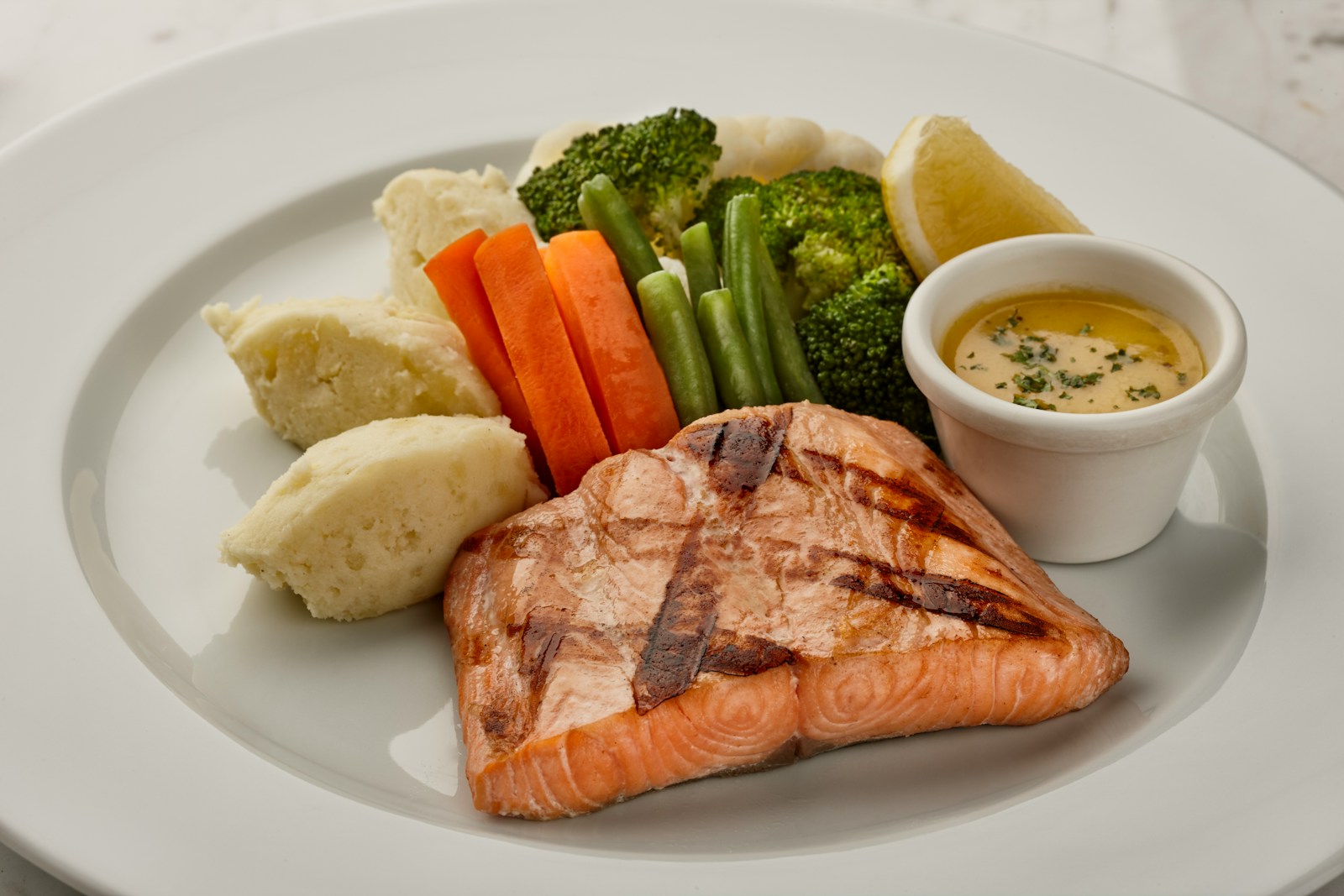
When you eat in a surplus, your body can add both fat and lean tissue, which includes muscle. The ratio is not fixed. It shifts based on your protein intake, whether you are training, your sleep, your hormones, and your genetics.
This is why “gain weight and build muscle” is a more useful goal than gaining weight alone. Muscle supports your metabolism, your blood sugar regulation, and your ability to move through daily life with ease. Adding a mix of lean mass and some fat is normal and healthy. The aim is a balance that leaves you stronger.
Common reasons people need to gain weight
There is no single profile of a person who wants or needs to gain weight. The reasons are varied, and each one may call for a slightly different approach.
Recovery from illness or surgery, when appetite and muscle have dropped and rebuilding is the priority.
Being naturally underweight, where a fast metabolism or small appetite has always made gaining a challenge.
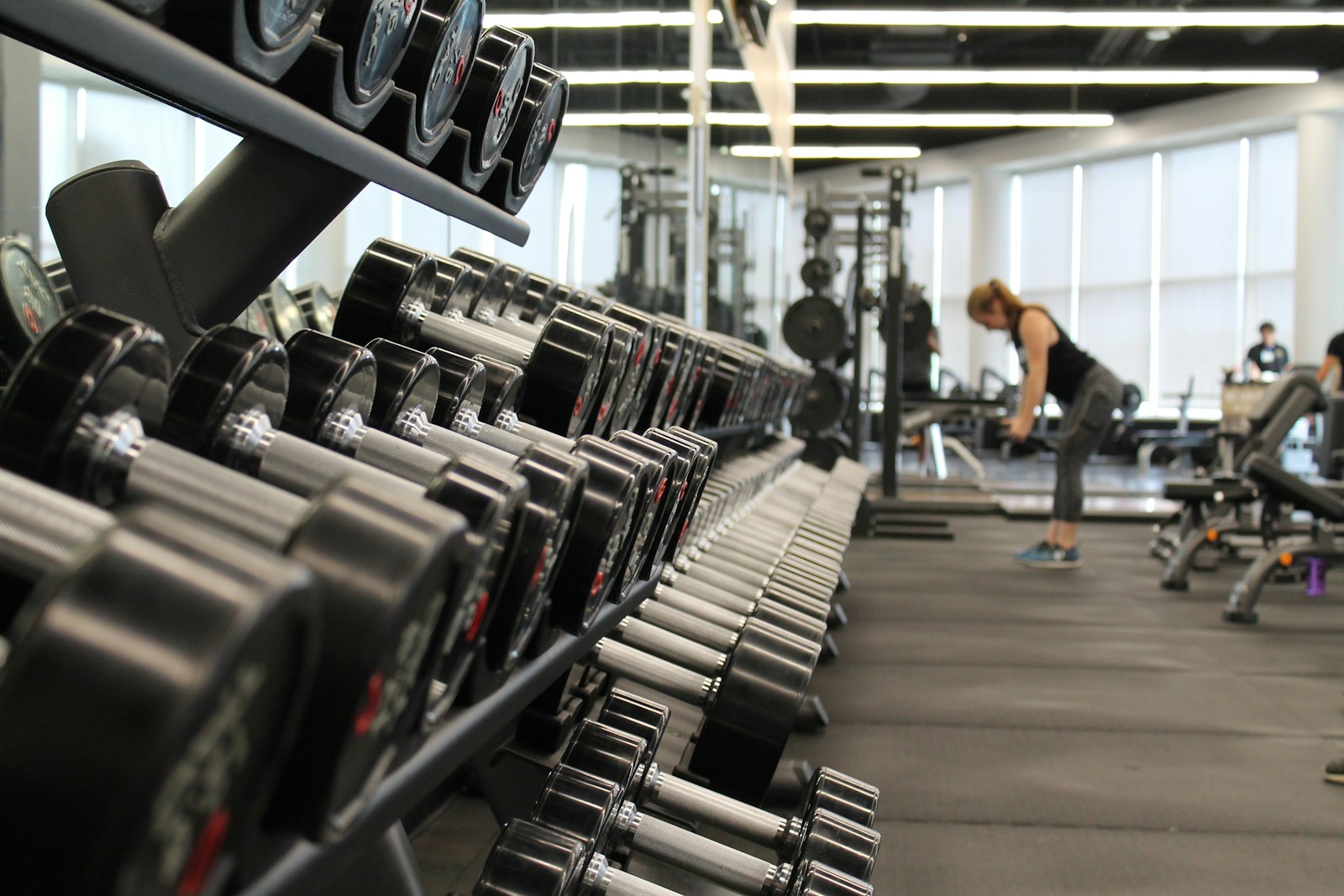
Athletic goals, such as adding muscle for performance or moving up a weight class with intention.
Older adults, who may face age-related muscle loss, lower appetite, or changes in how food tastes.
Appetite changes, driven by stress, medication, mental health, or a medical condition that blunts hunger.
Your reason shapes your plan. An athlete building muscle and an older adult protecting strength both need protein, but their calorie targets, food choices, and pacing may look different.
When difficulty gaining weight is a signal to check in with a professional
Sometimes the body resists weight gain for a reason. Unintentional weight loss, or an inability to gain despite eating well, can point to something that needs medical attention.
Possible contributors include thyroid conditions, digestive disorders like celiac disease or inflammatory bowel disease, diabetes, some medications, and disordered eating. None of these should be self-diagnosed. If you are eating consistently and still losing ground, that is a reason to loop in your medical team.
A registered dietitian nutritionist can work alongside your doctor to screen for these patterns and adjust your nutrition. An RDN is a licensed medical professional with clinical training, not a generic “nutritionist” or “health coach.” That distinction matters when an underlying cause may be involved. You can connect with a dietitian to start that conversation.

How Much Do You Actually Need to Eat to Gain Weight?
Most people overestimate how dramatic a change they need. Healthy weight gain does not require force-feeding or doubling your plate. It usually comes down to a modest, steady increase you can maintain.
The calorie surplus, explained (a baseline, not a strict rule)
To gain weight, you need to take in more energy than you burn. That gap is called a calorie surplus for weight gain. A common starting point is an extra 300 to 500 calories per day above the amount that keeps your weight stable.
Think of that number as a baseline rather than a strict rule. Your needs may sit higher or lower depending on your activity, metabolism, age, and goals. The Academy of Nutrition and Dietetics suggests eating five to six times a day and adding concentrated calories through toppings like nuts, seeds, and cheese (Esther Ellis, MS, RDN, LDN, Academy of Nutrition and Dietetics). You do not have to hit the target perfectly every day.
How a dietitian personalizes your target
A generic calorie number is a rough draft. A dietitian turns it into something that fits your body and your life.
They look at your current intake, your weight history, your activity, any medical conditions, and how your appetite behaves. From there, they set a realistic surplus and adjust it based on what your weight does over a few weeks. That feedback loop is hard to run well on your own, and it is a core reason people work with an RDN rather than guessing.
A safe, steady pace of gain
Slower is usually better. A daily surplus of 300 to 500 calories works out to roughly half a pound to one pound per week for most people, which is the gradual pace health authorities recommend.
Steady gain gives your body time to build lean tissue rather than adding mostly fat, and it is easier to sustain without feeling stuffed or uncomfortable. Faster is not better here, and chasing rapid change often backfires. If you want to see what a structured week of eating can look like at this pace, this weight gain meal plan offers a concrete example to build from.
The Nutrition Building Blocks of Healthy Weight Gain
A healthy weight gain diet is not about eating more of everything. It is about eating more of the right things, in a balance that adds nourishment along with calories. Three macronutrients do most of the work.
Protein for building and keeping lean mass
Protein is the raw material your body uses to build and repair muscle. In a surplus without enough protein, more of the gain arrives as fat. With enough, more of it becomes lean mass.
Research on muscle mass suggests roughly 1.2 to 2.0 grams of protein per kilogram of body weight to support growth, especially when training (Carbone JW, Pasiakos SM, Nutrients, 2019). For a 70-kilogram person, that is about 84 to 140 grams a day. Your target depends on your size, goals, and activity, so treat the range as a guide to personalize.
Good sources include eggs, dairy, poultry, fish, meat, tofu, tempeh, legumes, and dairy-based or soy-based drinks. Spreading protein across the day tends to work better than loading it all at dinner.
Healthy fats — the most calorie-dense way to add nourishment
Fat delivers about nine calories per gram, more than twice what protein and carbohydrates provide. That density makes it one of the easiest ways to add energy without adding much volume to your plate.
Among the healthy foods to gain weight, calorie-dense fats are some of the most useful. Reach for options that bring nutrients along with the energy.
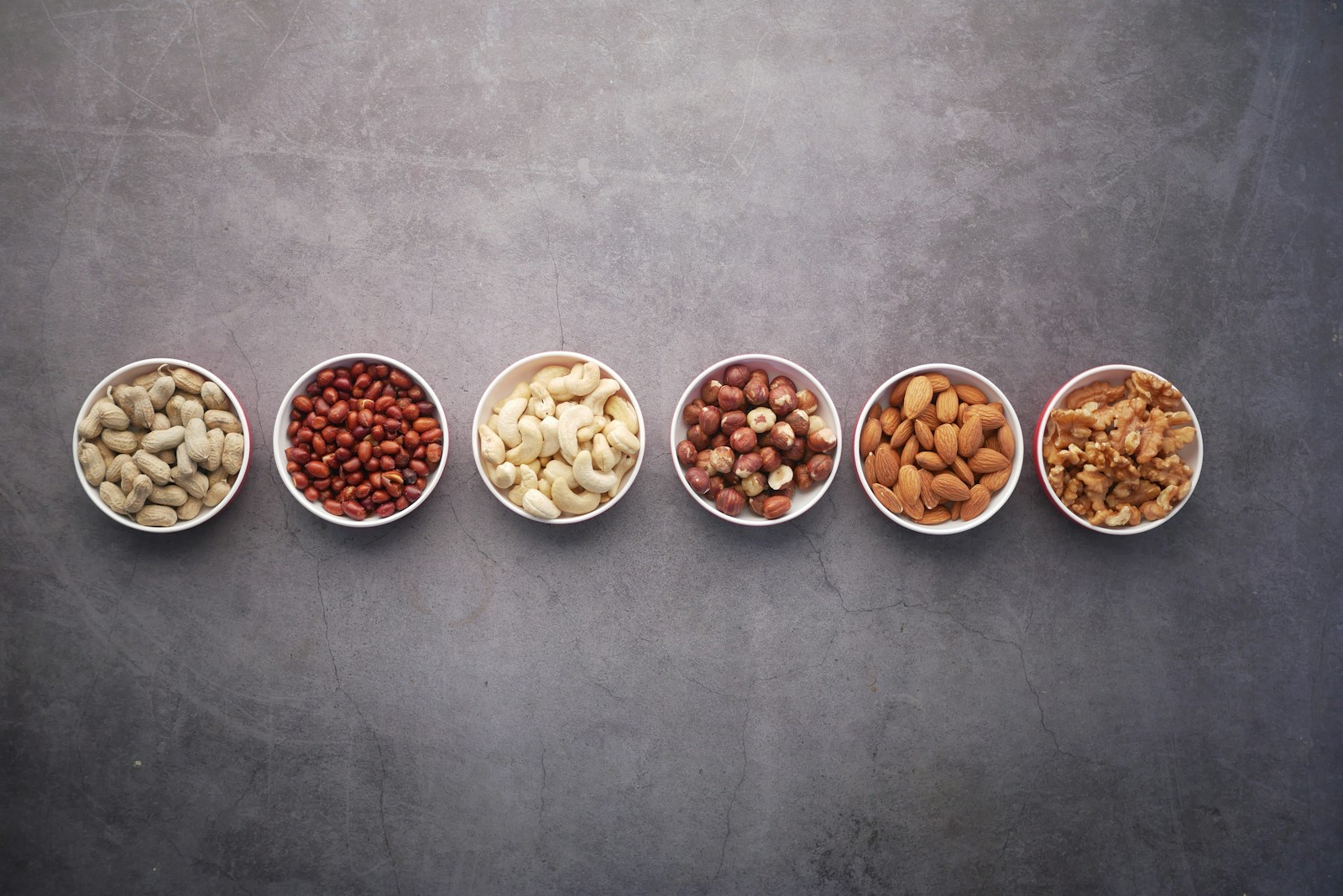
Nuts and nut butters, which pair fats with protein and are easy to add to almost anything.
Avocado, which blends into smoothies, spreads on toast, or tops a bowl.
Olive oil, drizzled over cooked vegetables, grains, or soups.
Seeds, such as chia, flax, and hemp, stirred into yogurt or oats.
Full-fat dairy, like whole milk, cheese, and Greek yogurt, for people who tolerate it.
A tablespoon of nut butter or olive oil can add roughly 100 calories with little effort, and those small additions add up over a day.
Quality carbohydrates for energy
Carbohydrates fuel your workouts and daily activity, and they help spare protein so it can go toward building muscle rather than being burned for energy. They also make meals easier to eat when your appetite is limited.
Focus on quality sources most of the time: oats, rice, potatoes, whole grains, fruit, and starchy vegetables. These bring fiber, vitamins, and minerals along with the calories. Around training, they also help replenish energy and support recovery, which matters when your goal is to gain weight and build muscle.
Why nutrient quality beats “just eat more junk”
The idea that any calorie will do is tempting when gaining is hard, but it does not serve you well. Meals built mostly on ultra-processed snacks tend to add fat without the protein, fiber, and micronutrients your body needs to build lean mass and feel good.
No food is off-limits here, and higher-calorie treats can absolutely have a place. The goal is never restriction. It is simply to make most of your added calories nutrient-dense, so the weight you gain supports your health.
“When a client tells me they eat all the time but still can’t gain, we almost never fix it by doubling their plate. We add energy where it’s easy to tolerate: a scoop of nut butter in oatmeal, milk instead of water in a smoothie, olive oil over dinner, and a protein source at every meal first. It’s about denser bites and liquid calories between meals, not forcing uncomfortable amounts of food.” — Bridget Isaacs, MS, RD
Practical Strategies When Eating More Feels Hard
For a lot of people, the hardest part of gaining weight is not knowing what to eat. It is finding room for it. When your appetite is small, a few practical shifts make a real difference.
Small, frequent meals and calorie-dense add-ons
If three large meals feel like too much, break them into five or six smaller ones. Eating every few hours keeps intake steady without any single sitting feeling overwhelming.
Then make each bite count. Calorie-dense add-ons let you raise the energy in a meal without raising its size much at all.
Stir nut butter, olive oil, or full-fat yogurt into meals you already eat.
Add cheese, avocado, seeds, or a handful of nuts to salads, bowls, and toast.
Cook grains and oats in milk instead of water for extra protein and calories.
Keep grab-and-go options like trail mix, cheese, or dried fruit within reach.
Drinking your calories (smoothies, milk) without killing your appetite
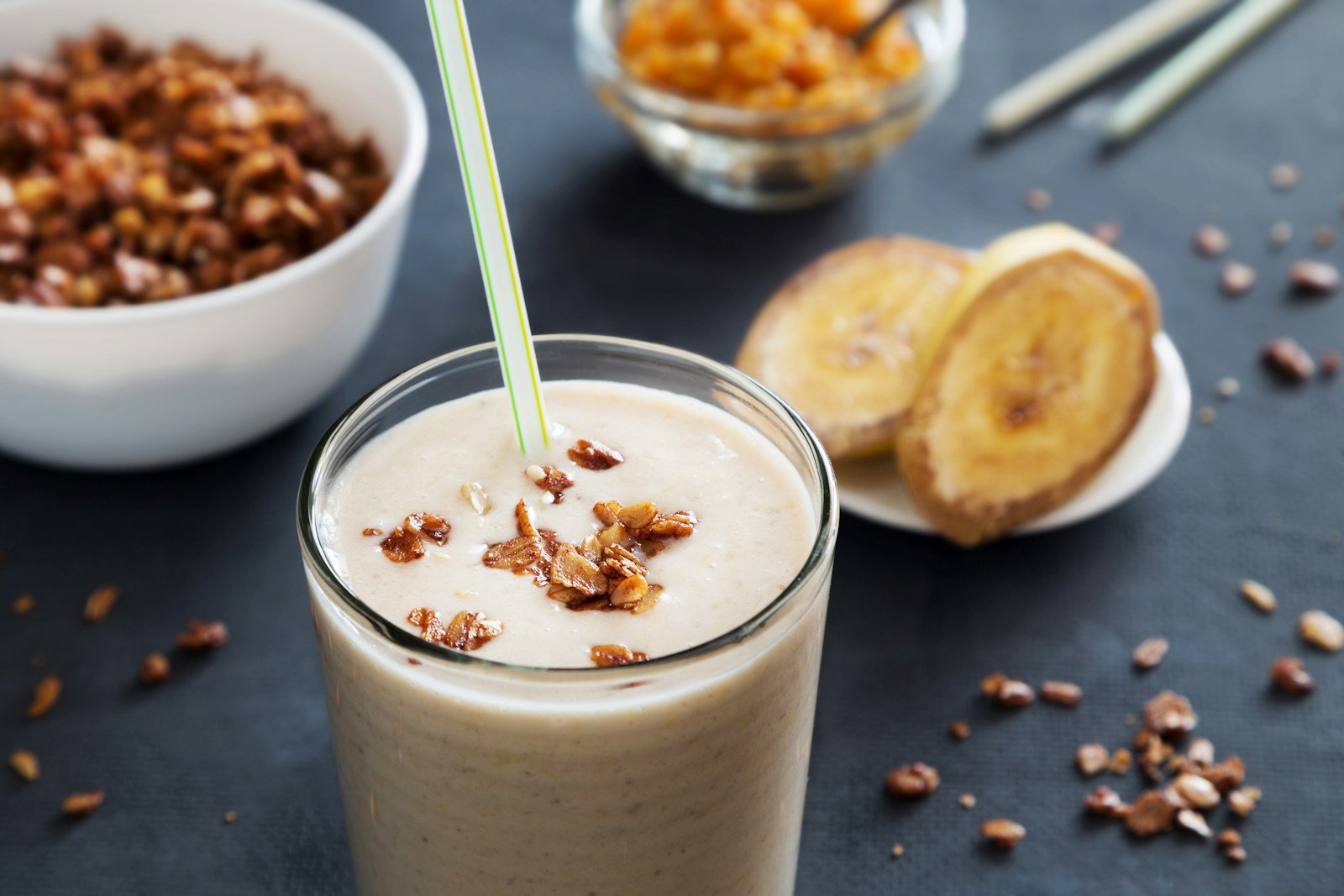
Liquids tend to be easier to get down than solid food when hunger is low, and they empty from the stomach faster. A smoothie made with milk, yogurt, fruit, nut butter, and oats can deliver several hundred nutrient-dense calories in a form that goes down easily.
One tip: sip these between meals rather than right before them, since filling up on liquid can blunt your appetite for the food itself. Whole milk, kefir, and homemade smoothies are simple, affordable ways to add calories without much chewing.
Managing early fullness and low appetite
Feeling full fast is a common barrier. These gentle strategies help you eat more without discomfort.
Start with the calorie-dense parts of a meal, eating protein and fats before filling up on low-calorie vegetables or broth.
Limit fluids during meals, saving most of your drinking for between them.
Use gentle movement, like a short walk, to support appetite when it feels flat.
Lean on foods you enjoy, because you are far more likely to finish something that tastes good to you.
If low appetite persists despite these efforts, it is worth mentioning to your care team. Ongoing appetite loss can have a medical cause worth exploring, and a dietitian can help you problem-solve while your doctor investigates.
Building Muscle, Not Just Weight
Adding weight is only half the goal for most people. What you usually want is to feel stronger, which means directing those extra calories toward muscle wherever you can.
Pairing nutrition with resistance training
Food gives your body the material to build muscle, but it needs a reason to build. Resistance training provides that signal. Without it, a surplus tends to add a larger share of fat.
Strength work with weights, bands, or your own body weight tells your body to route the extra protein and energy toward muscle. The pairing is well supported. A large review found that protein supplementation meaningfully increased gains in muscle size and strength during resistance training (Morton RW, et al., British Journal of Sports Medicine, 2018).
You do not need to train like an athlete. Two to three sessions a week is a reasonable start for many people. If performance is your focus, Berry Street’s sport nutrition support can help you align eating and training.
Protein timing and distribution across the day
How you space your protein appears to matter, not just how much you eat. Spreading it across meals gives your body a steadier supply of the building blocks it uses to repair muscle.
A practical approach is to include a protein source at each meal, aiming for a moderate amount every few hours rather than one large serving. That tends to support muscle building better than backloading most of your protein at dinner.
“When someone wants to gain weight, I steer the conversation away from the scale and toward how they feel. Are you wanting to lift heavier? Recover faster? Wake up with more energy? We anchor to a protein and healthy fat source at every meal and two or three strength sessions a week, then watch those non-scale wins. The scale is one data point, and at times, not the most motivating one.” — Bridget Isaacs, MS, RD
What to Skip: Gimmicks, “Weight Gainers,” and Fast-Gain Traps
The weight gain corner of the internet is full of products and promises. Most are unnecessary, and some work against the steady, nourishing approach that holds up over time.
Do you need supplements or protein powder?
For most people, the answer is no, at least not as a requirement. You can meet your protein and calorie needs from food, and whole foods bring fiber and micronutrients that powders lack.
That said, protein powder can be a convenient tool when your appetite is low, you are busy, or you struggle to hit your target from meals alone. Quality varies widely, so it helps to know what you are buying. This guide to choosing a better protein powder can help you compare options.
Mass-gainer supplements, by contrast, are often just expensive sugar and fat that a homemade smoothie could replace.
Why “gain weight fast” advice usually backfires
Advice that promises rapid results tends to lean on large calorie loads from low-nutrient foods. That may move the scale quickly, but a bigger share of the gain arrives as fat, and it can leave you feeling sluggish.
It also tends not to last, because extreme intakes are hard to sustain and the weight often comes off once the push ends. Mainstream guidance from sources like Mayo Clinic and the NHS points the same direction: steady, nutrient-dense gain beats speed.
How a Registered Dietitian Helps You Gain Weight the Right Way
You can apply the principles in this guide on your own. But if gaining has been a long struggle, a registered dietitian turns general advice into a plan built for you.
Personalization, underlying-cause screening, and sustainable habits
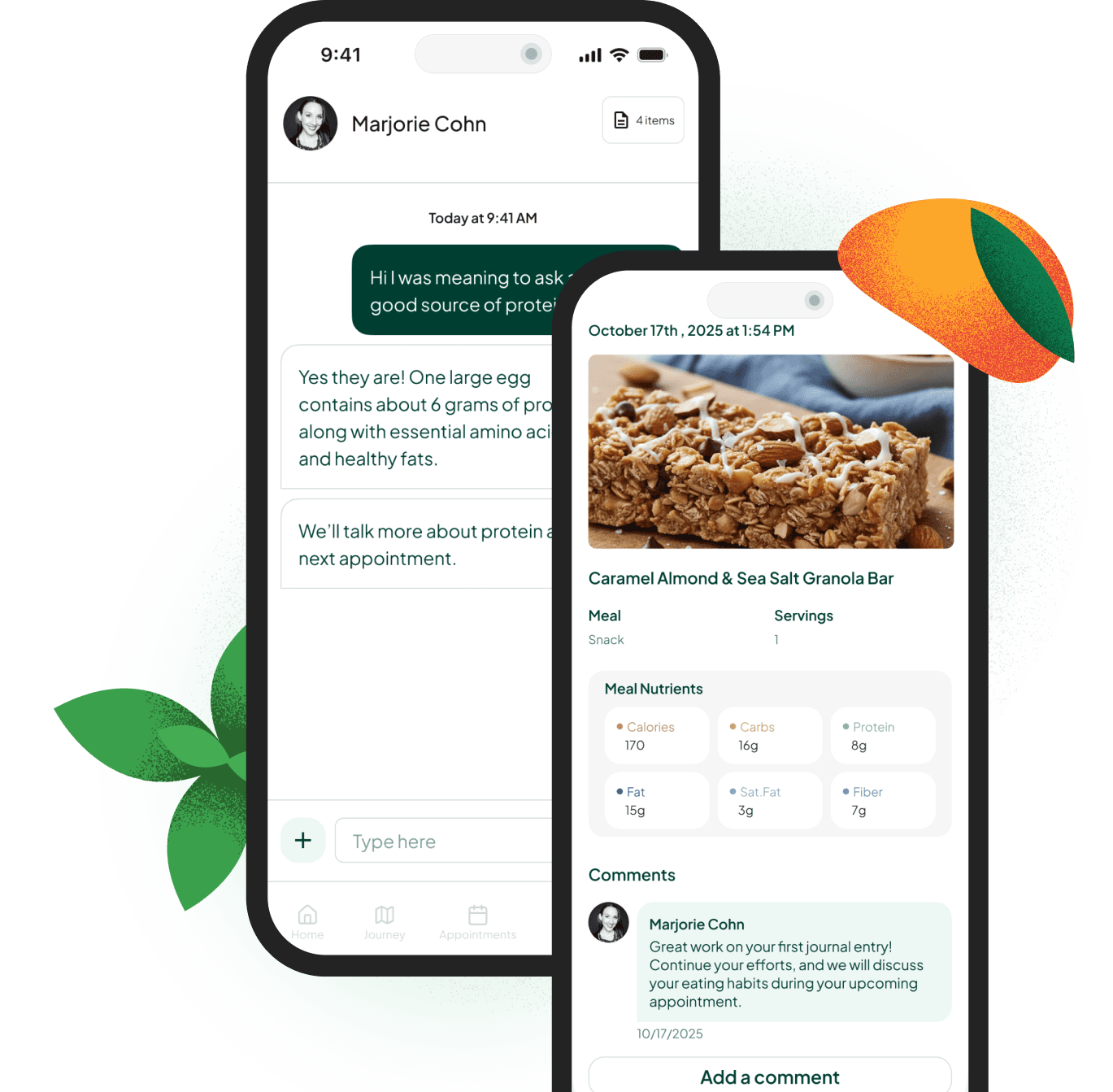
A dietitian does three things that are hard to do alone. They personalize your calorie and protein targets, work with your doctor to screen for underlying causes when weight will not budge, and help you build habits that fit your real life. That last part is what makes the gains actually stick.

Because an RDN is a licensed medical professional, they can address the clinical side of weight gain, not just the meal-planning side. They work alongside your physician, not in place of them. That combination is what makes personalized healthy weight gain support different from a generic plan pulled off the internet.
If this sounds like the kind of support you have been missing, working with a Berry Street dietitian is more affordable than most people expect. Berry Street is in-network with 1,250+ insurance plans, and 95% of members pay $0 with coverage. You can check your coverage and connect with a dietitian whenever you are ready, with no pressure to decide today.
Frequently Asked Questions
How many extra calories do I need to gain weight in a healthy way?
A common starting point is an extra 300 to 500 calories per day above what keeps your weight stable. This is a baseline, not a strict rule, and your ideal number may be higher or lower. A dietitian can fine-tune it based on how your weight responds over a few weeks.
How much protein should I eat to gain weight?
Research on muscle mass suggests roughly 1.2 to 2.0 grams of protein per kilogram of body weight supports muscle growth, especially with training. For a 70-kilogram person, that is about 84 to 140 grams daily. Your exact needs depend on your size, goals, and activity, so treat the range as a guide.
What are the best foods for healthy weight gain?
Focus on nutrient-dense, calorie-rich foods: nuts and nut butters, avocado, olive oil, full-fat dairy, eggs, fatty fish, whole grains, and legumes. These add energy along with protein, fiber, and micronutrients. No food is off-limits, but building most meals from these options helps the weight you gain support your health.
What is the 3-3-3 rule for weight gain?
The “3-3-3 rule” is an informal social-media guideline, not a clinical standard, and versions of it vary. It usually suggests something like three meals, three snacks, and three strength sessions, but there is no research behind that specific formula. Use it loosely if it helps you stay consistent, and lean on personalized guidance for anything more precise.
How can I gain weight if I have a small appetite or get full quickly?
Eat smaller meals more often, around five or six times a day, and make each bite calorie-dense with add-ons like nut butter, oil, or cheese. Sip smoothies and milk between meals rather than right before them. Starting meals with protein and fats before low-calorie foods also helps.
Can I gain weight without eating a lot of junk food?
Yes, and for most people that is the better path. Calorie-dense whole foods like nuts, oils, avocado, full-fat dairy, and grains add energy plus nutrients your body needs to build lean mass. Higher-calorie treats can still have a place because no food is off limits, but they do not need to be the foundation.
How fast is it safe to gain weight?
For most people, a healthy pace is about half a pound to one pound per week, the gradual rate that follows from a modest 300 to 500 calorie daily surplus. Slower gain gives your body time to build lean tissue rather than mostly fat, and it is easier to sustain. Faster is not better, and your ideal pace may vary based on your situation.
Why can’t I gain weight even though I eat a lot?
Sometimes intake is not as high or as consistent as it feels, and restructuring meals solves it. But an inability to gain despite eating well can also signal an underlying issue, such as a thyroid or digestive condition. This is worth evaluating with your doctor and a dietitian rather than self-diagnosing.
Do I need protein powder or weight-gainer supplements to gain weight?
No, you can meet your needs from food, and whole foods bring nutrients that powders lack. Protein powder can be a convenient tool if your appetite is low or you are short on time. Mass-gainer supplements are usually unnecessary, since a homemade smoothie can do the same job.
How do I gain muscle instead of just fat?
Pair your calorie surplus with resistance training two to three times a week and eat enough protein spread across the day. Training signals your body to direct the extra energy toward muscle repair and growth. Without it, more of the gain tends to arrive as fat.
What should I eat to gain weight if I’m a woman or underweight?
The building blocks are the same for everyone: a modest calorie surplus, adequate protein, and nutrient-dense fats and carbohydrates. Some women may have specific needs tied to hormones, cycles, or health conditions. If you are underweight, it is especially worth working with a dietitian to rule out an underlying cause and personalize your plan.
When should I see a dietitian about gaining weight?
Consider it if you have struggled to gain despite eating well, are recovering from illness, or suspect an underlying cause. It is also worth it if you simply want a plan built for your body rather than generic advice. A registered dietitian works alongside your doctor and personalizes every step.
Last Reviewed by Bridget Isaacs, MS, RD — August 2026.